March 19, 2026
Adjusting to life after limb loss can be a challenging and emotional experience. Whether the loss occurs due to injury, illness, or a medical condition, many individuals eventually explore prosthetic solutions that help restore mobility and independence. For many people, an artificial leg can provide the support needed to return to everyday activities, regain confidence, and maintain an active lifestyle.
Understanding what to expect throughout the process can make a significant difference in the journey toward recovery and adaptation. From the evaluation process to ongoing care and adjustments, there are several important factors to consider before receiving a prosthetic device. Learning these essential details helps individuals make informed decisions and prepare for a smoother transition as they begin using an artificial leg.
1. Understanding the Purpose of Prosthetic Technology
A prosthetic limb is designed to replace the function and appearance of a missing limb, helping individuals regain movement and stability. Modern prosthetic technology has advanced significantly, allowing many people to walk, exercise, and participate in daily activities with improved comfort and control. While no device can fully replicate a natural limb, prosthetic innovations continue to provide increasingly natural motion and support.
For individuals considering an artificial leg, it is helpful to understand that the goal is not only mobility but also improved quality of life. A properly fitted prosthetic can help reduce strain on the body, maintain balance, and support a more active routine. With guidance from a qualified prosthetics provider, many individuals discover that prosthetic solutions can restore independence and open the door to new possibilities.
2. Recognizing the Importance of a Proper Evaluation
Before receiving a prosthetic limb, individuals typically undergo a detailed medical evaluation. This process helps determine the most appropriate prosthetic design based on factors such as physical condition, lifestyle, and rehabilitation goals. A thorough evaluation ensures that the prosthetic device will provide the best possible comfort and functionality.
During this stage, specialists assess factors such as residual limb health, muscle strength, and range of motion. These details help determine what type of artificial leg will provide the most stability and support. The evaluation also allows professionals to identify any additional therapies or treatments that may improve long-term prosthetic success.
3. Knowing That Every Prosthetic Is Custom Designed
One of the most important things to understand about prosthetics is that each device is tailored to the individual. Prosthetic limbs are not one-size-fits-all solutions. Instead, they are carefully designed and fitted to match the unique shape of a person's residual limb, body alignment, and mobility needs.
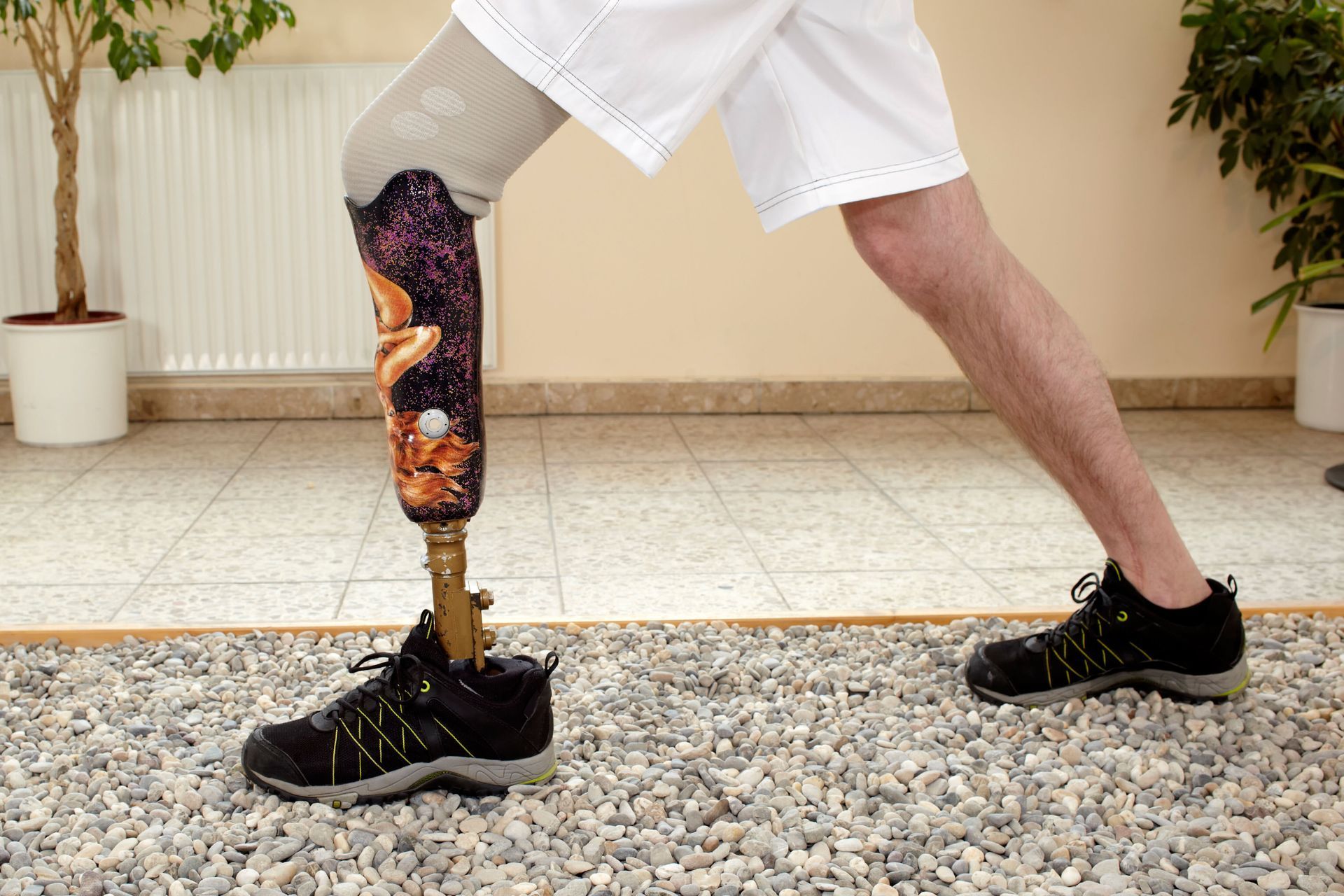
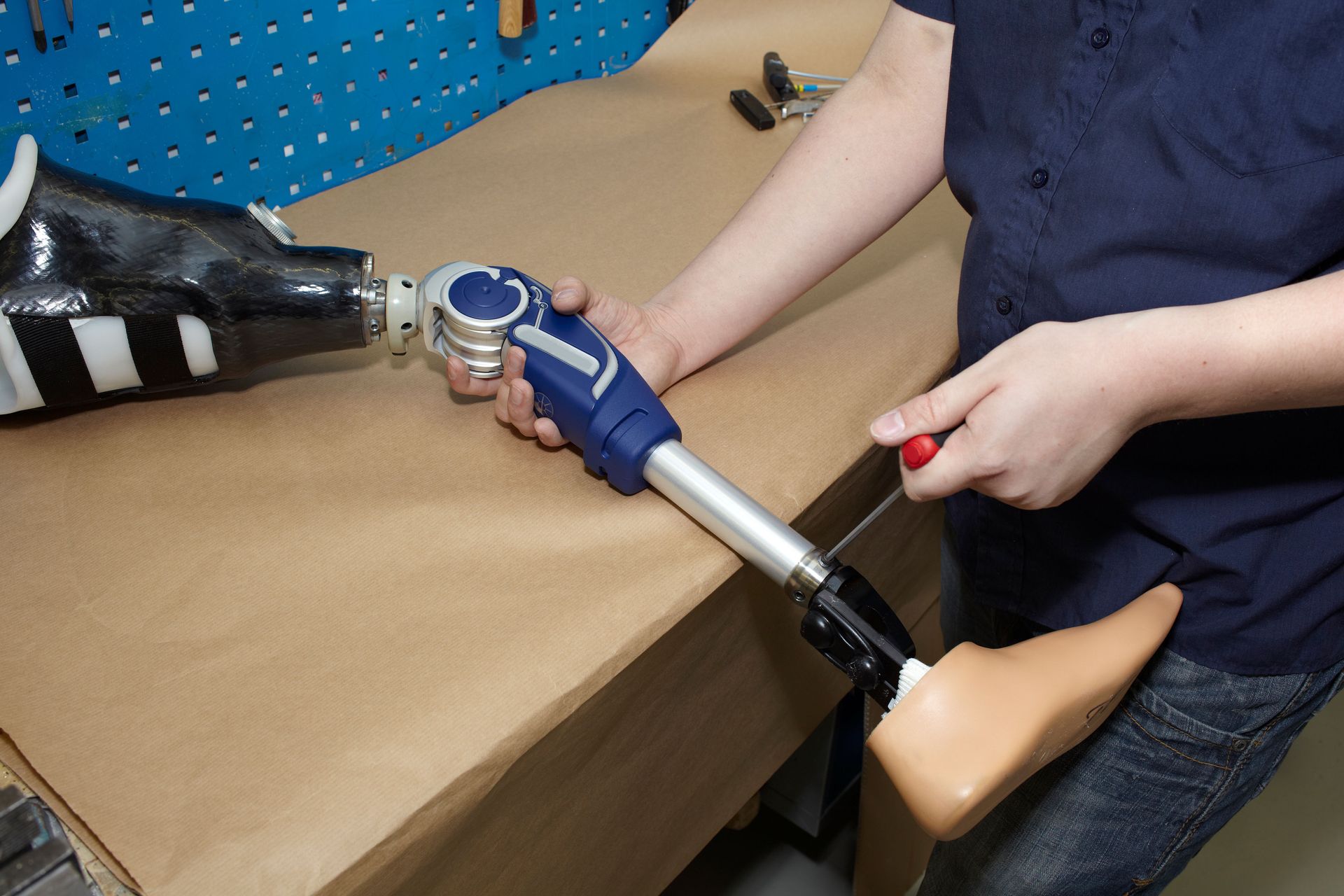
When receiving an artificial leg, specialists take precise measurements and create a customized socket that connects the prosthetic limb to the body. This socket must fit comfortably and securely to prevent irritation or instability. Customization also extends to components such as joints, feet, and suspension systems, all of which contribute to improved performance and comfort.
4. Preparing for Physical Therapy and Rehabilitation
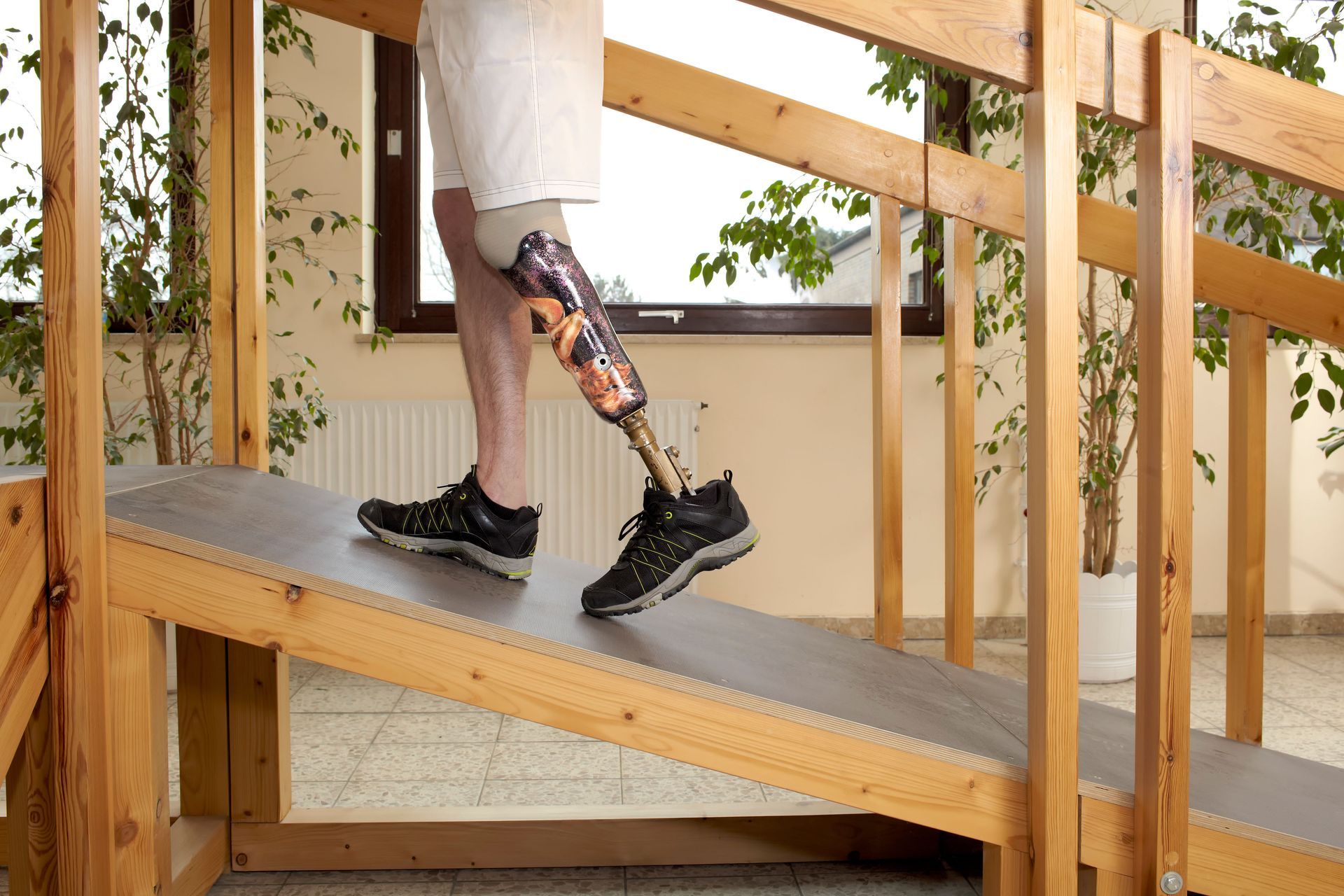
Learning to use a prosthetic limb requires practice, patience, and professional guidance. Physical therapy plays a crucial role in helping individuals adapt to their new mobility device. Therapists work with patients to strengthen muscles, improve balance, and develop walking patterns that feel natural and stable.
Rehabilitation programs are designed to gradually build confidence and mobility over time. During therapy sessions, individuals learn how to stand, walk, climb stairs, and navigate different surfaces using a prosthetic limb. Over time, these exercises help users feel more comfortable and capable in their daily routines.
5. Understanding the Importance of Ongoing Adjustments
Even after a prosthetic limb has been fitted, adjustments are often necessary as the body adapts. Changes in muscle tone, weight, and activity levels can affect how the prosthetic fits and functions. Regular follow-up appointments ensure that the device continues to provide the correct level of support and comfort.
Specialists may adjust the alignment, replace worn components, or refine the socket fit over time. These adjustments help maintain proper balance and prevent discomfort or skin irritation. Individuals who use an artificial leg benefit greatly from maintaining regular communication with their prosthetic provider to address any concerns that arise.
6. Recognizing the Value of Emotional and Community Support
Adapting to limb loss involves more than physical recovery. Emotional support is an important part of the journey, as individuals adjust to new routines and challenges. Connecting with healthcare providers, support groups, and rehabilitation professionals can help individuals navigate this transition more confidently.
Community resources and peer support groups can provide encouragement and practical advice from others who have experienced similar situations. According to the Ohio State University, around 2 million people in the U.S. live with limb loss. Knowing that many others have successfully adapted to life with prosthetics can provide reassurance and motivation throughout the recovery process.
7. Maintaining Proper Care and Maintenance
Proper care of a prosthetic limb is essential for long-term performance and comfort. Regular cleaning and inspection help prevent issues such as skin irritation, component wear, or mechanical problems. Individuals should follow the care instructions provided by their prosthetic specialist to keep their device functioning properly.
Routine maintenance may include cleaning the socket, checking straps or suspension systems, and monitoring the condition of moving components. An artificial leg that is well-maintained will typically last longer and perform more reliably. If any unusual sounds, discomfort, or changes in fit occur, it is important to contact a prosthetics provider for evaluation.
8. Exploring the Possibilities of an Active Lifestyle
Many individuals are surprised to learn how much activity is possible with modern prosthetic technology. From walking and cycling to participating in recreational sports, prosthetic limbs are designed to support a wide range of movements and lifestyles. Advances in prosthetic design continue to improve comfort, responsiveness, and durability.
With the right guidance and rehabilitation plan, people who use an artificial leg can pursue many of the activities they enjoy. Whether returning to work, exercising regularly, or traveling, prosthetic technology helps individuals stay active and engaged. Setting realistic goals and working closely with healthcare professionals can help make these activities achievable and enjoyable.
9. Learning How Technology Continues to Improve Prosthetics
Prosthetic technology continues to evolve, offering new features that improve mobility and comfort for users. Modern designs may include lightweight materials, microprocessor-controlled joints, and energy-return feet that help create smoother, more natural walking patterns. These advancements allow individuals to move with greater confidence and efficiency.
As innovation continues, many individuals using an artificial leg benefit from improvements that make daily movement easier and more comfortable. Working with experienced prosthetic specialists allows patients to explore the latest options available and determine which features best support their lifestyle. Staying informed about technological advancements can help individuals take advantage of new solutions that enhance mobility and independence.
Receiving a prosthetic limb can be a life-changing step toward restoring mobility and independence. By understanding the evaluation process, rehabilitation journey, and ongoing care requirements, individuals can better prepare for the transition to using a prosthetic device. With the right support, education, and medical guidance, many people successfully adapt and regain confidence in their daily lives. Over time, the combination of advanced prosthetic technology and personalized rehabilitation allows individuals to rebuild routines, pursue hobbies, and maintain meaningful independence.
If you or a loved one is considering a prosthetic solution, professional guidance can make all the difference. The experienced team at Louisville Prosthetics is dedicated to helping patients find the right fit, receive proper training, and achieve their mobility goals. Contact Louisville Prosthetics today to learn how they can help you move forward with confidence.