July 17, 2026
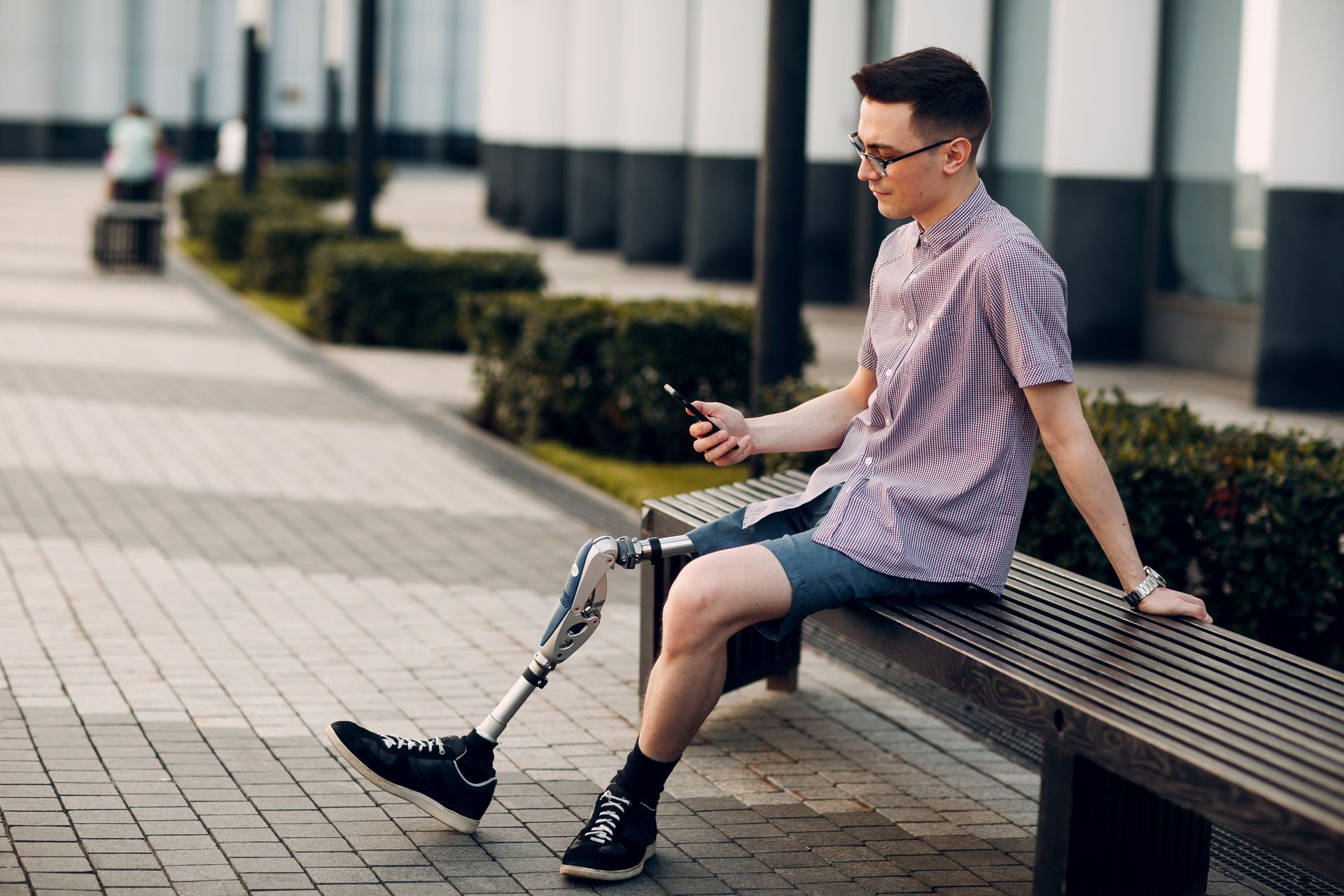
Embarking on the journey to acquire a prosthetic limb is a transformative milestone involving deep personal consideration and clinical collaboration. Making this choice requires a thorough understanding of what lies ahead, as it influences your mobility, comfort, and lifestyle for years to come. Many individuals find themselves overwhelmed by the volume of information available, which is why breaking down the essential aspects of your care path is valuable. Selecting the right team to guide you can make a major difference in how successfully you adapt to your new device. It is not simply about acquiring advanced medical equipment; it is about establishing a lifelong relationship with professionals who understand your unique physiological needs and goals. As you begin exploring options, focusing on a qualified artificial leg service will provide the clarity and structured guidance necessary to navigate the initial steps with absolute confidence and peace of mind.
The process of acquiring a new limb is multifaceted and requires patience and commitment. From initial clinical consultations to final fitting and subsequent adjustments, every stage plays a critical role in your ultimate success. Gaining familiarity with operational standards, clinical protocols, and support structures can reduce anxiety and empower you to advocate for your wellness. Knowledge is a powerful asset when stepping into prosthetic rehabilitation, allowing you to ask relevant questions and make informed choices. By taking time to understand the foundational elements of prosthetic care, you set a solid groundwork for a smooth transition.
1. Understand the Evaluation Process
The initial phase of your prosthetic journey begins long before a device is manufactured or fitted. A thorough assessment of your physical health, residual limb condition, and lifestyle objectives is foundational to designing an effective mobility solution. Clinical practitioners must examine your strength, range of motion, and cardiovascular health to determine the most appropriate componentry for daily activities. This comprehensive assessment forms the blueprint for your entire rehabilitation strategy, ensuring every subsequent decision aligns with your body's capabilities. Partnering with a dedicated artificial leg service ensures this initial evaluation is conducted with meticulous attention to detail, taking into account your specific professional, recreational, and domestic aspirations.
During this evaluative period, communication with your clinical team is paramount. You will discuss your daily routines, the environments you navigate most frequently, and any challenges you anticipate facing. This exchange of information allows practitioners to customize their approach to suit your life perfectly. According to Gitnux, the rate of limb loss across the country is anticipated to expand twofold to approximately 3.6 million by 2050. This statistic underscores the vital importance of specialized, forward-thinking clinical care in modern society, as the demand for expert prosthetic management expands. By establishing a clear, detailed understanding during this evaluation phase, you lay a reliable foundation for an optimal fit and a successful long-term outcome.
2. Examine the Customization Options
No individuals possess the same anatomical structure or functional requirements, making customization a vital component of prosthetic fabrication. Modern technology allows for variation in design, materials, and mechanical functions, meaning your device can be tailored precisely to your daily movements. From the shape and material of the socket to the selection of specialized joints and feet, every element can be adjusted to mirror your natural biomechanics. A comprehensive artificial leg service will guide you through these choices, explaining how different components interact to enhance your stability, energy efficiency, and overall comfort during ambulation.
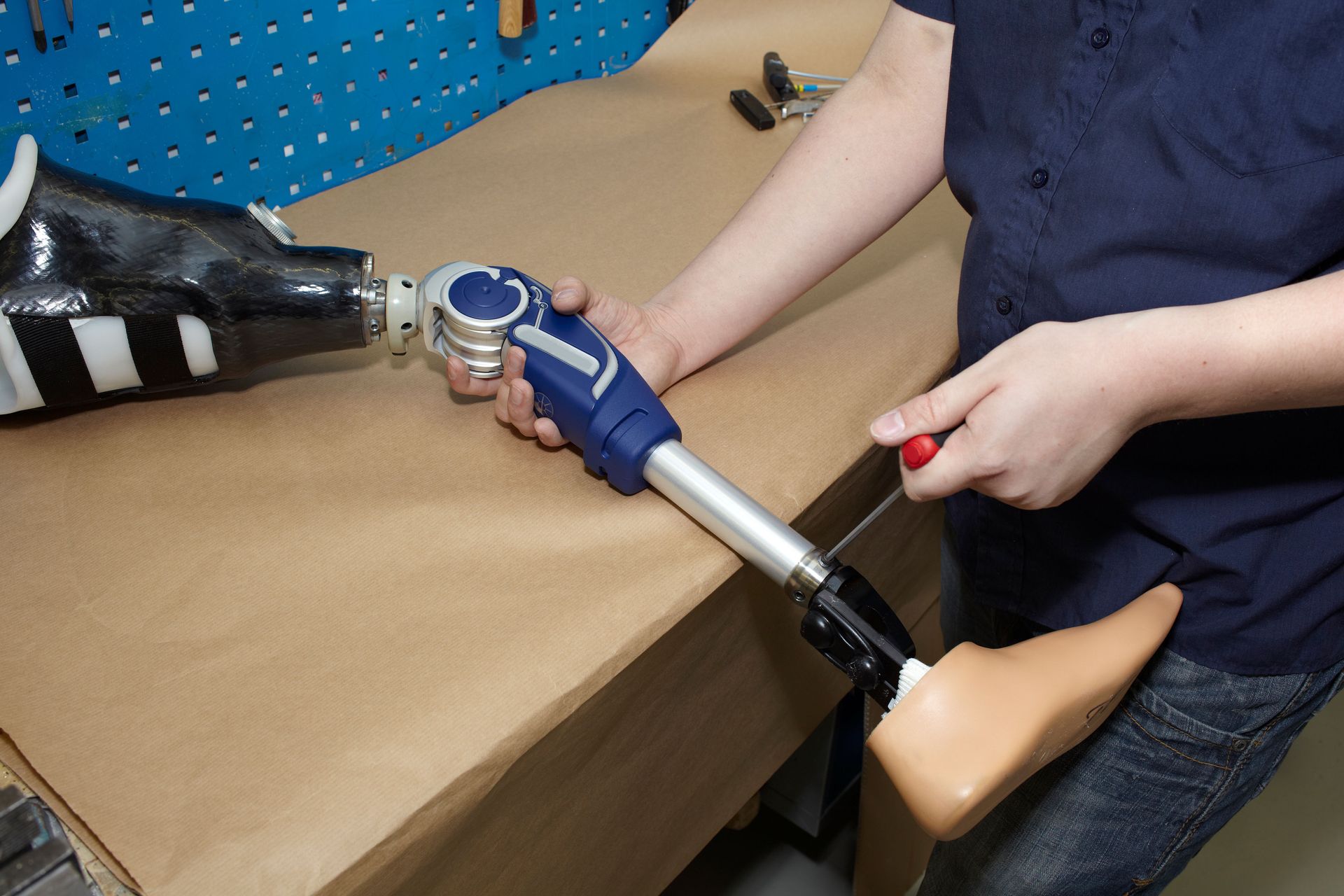
The fabrication of the socket is the most critical aspect of this customization process, serving as the direct interface between your residual limb and the prosthetic device. A poorly fitting socket can lead to discomfort, skin irritation, and decreased mobility, whereas a perfectly contoured socket distributes pressure evenly and maximizes control. Practitioners utilize advanced scanning, casting, and modification techniques to capture the exact contours of your limb. Understanding the depth of this customization process helps you appreciate the time and expertise required to create a device that feels like a natural extension of your body.
3. Recognize the Importance of Physical Therapy
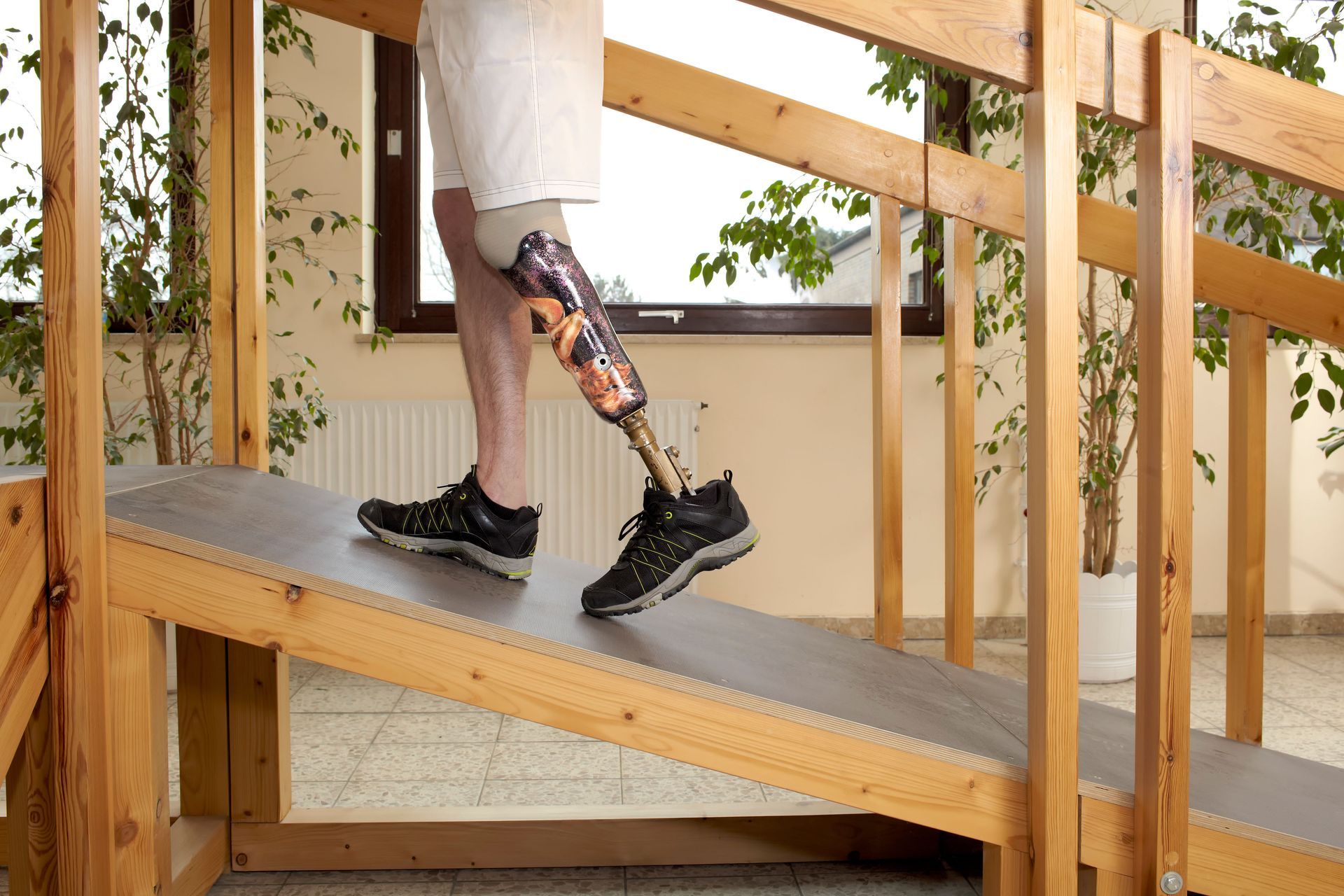
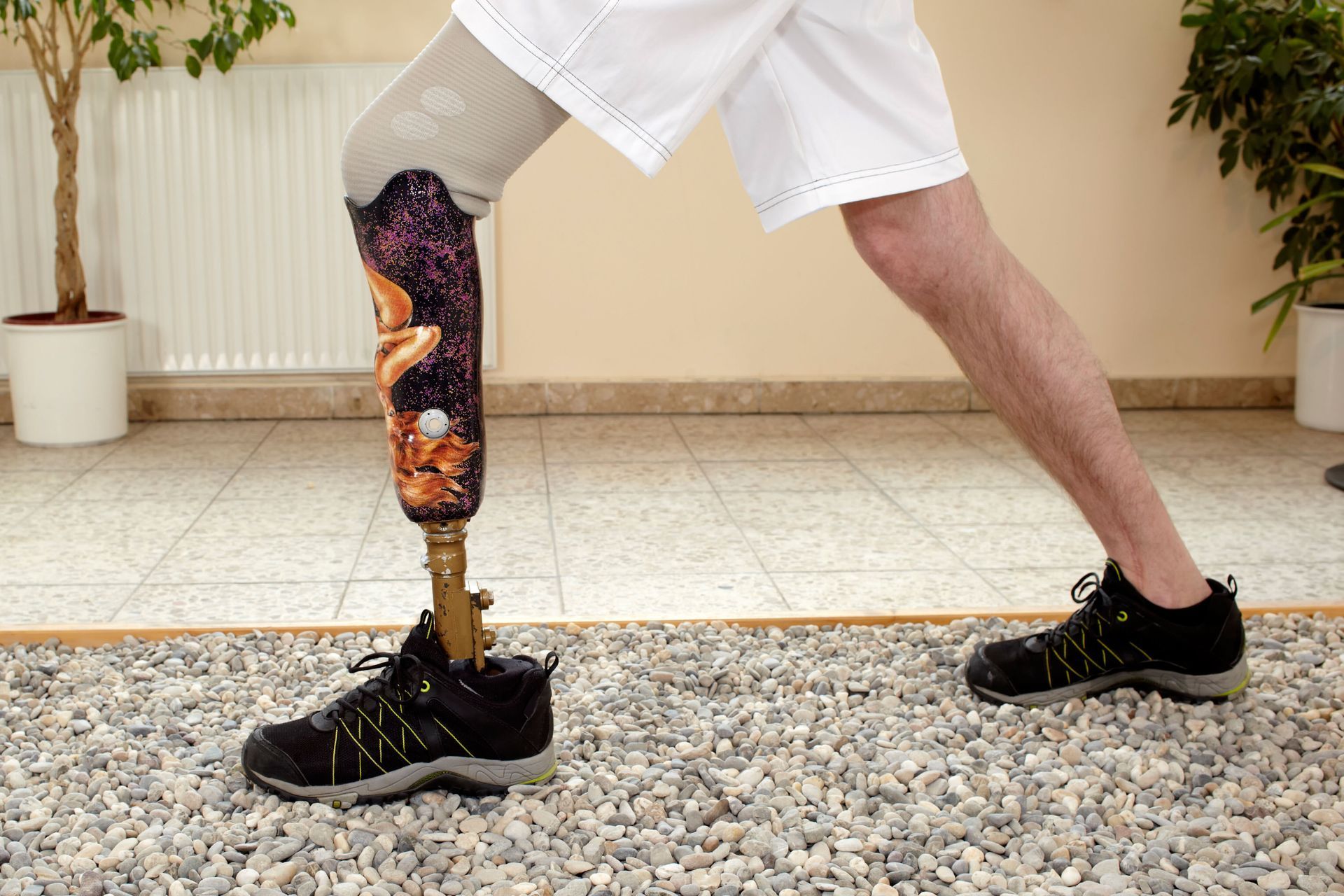
Receiving a beautifully crafted prosthetic limb is an exciting step, but learning to utilize it effectively requires specialized physical rehabilitation. Walking with a prosthetic device involves new muscle groups, altered balance mechanisms, and different patterns of energy expenditure. Dedicated physical therapy sessions are essential to help you rebuild core strength, improve gait symmetry, and develop the confidence necessary to navigate various terrains. Utilizing a professional artificial leg service helps facilitate coordination with rehabilitation specialists who design targeted exercise regimens to accelerate your adaptation period.
Therapy sessions typically focus on a range of functional skills, including standing balance, weight shifting, and safely navigating obstacles such as stairs, ramps, and uneven outdoor surfaces. Regular practice under the guidance of experienced therapists ensures you develop safe habits and maximize the functional potential of your device. This phase of rehabilitation requires significant perseverance, but the benefits of a structured therapy program are profound. By fully committing to the physical therapy process, you ensure your transition to independent mobility is safe, smooth, and efficient.
4. Identify the Maintenance Requirements
A prosthetic device is a sophisticated mechanical system that undergoes continuous stress and wear during daily use. To ensure its longevity, safety, and performance, regular maintenance and proactive inspections are absolutely mandatory. Components such as liners, suspension sleeves, and mechanical joints require routine cleaning and monitoring to prevent premature wear and maintain hygienic conditions. A reliable artificial leg service provides detailed education on how to care for your equipment at home, as well as scheduling periodic clinical checkups to inspect the structural integrity of the device.
Neglecting maintenance can lead to mechanical failures, skin breakdown, or sudden changes in fit that compromise your safety and comfort. Minor adjustments to alignment, tightening of components, or replacing worn liners can prevent larger, more disruptive issues from developing down the road. Understanding these maintenance obligations before buying your device allows you to integrate prosthetic care seamlessly into your daily routine. By taking an active, responsible role in the preservation of your equipment, you safeguard your mobility.
5. Discover the Long-Term Support Benefits
Your relationship with your prosthetic care clinical team does not conclude once you walk out the door with your new limb. Your body will continuously change over time due to fluctuations in weight, muscle volume, and overall activity levels, which directly impact how your prosthetic socket fits. These natural physiological shifts require ongoing clinical oversight to implement necessary adjustments, socket replacements, or component upgrades over the lifespan of your device. Choosing an established artificial leg service that emphasizes comprehensive long-term support guarantees you will never have to navigate these inevitable changes entirely on your own.
Continuous access to clinical adjustments ensures your device adapts alongside your changing body, maintaining comfort and performance over extended periods. Regular follow-up appointments allow your practitioner to monitor your gait, assess skin health, and introduce technological advancements that might further enhance your quality of life. This ongoing collaboration fosters a deep sense of security, knowing expert assistance is always available.
Navigating the process of choosing and adapting to a prosthetic limb requires a thoughtful approach, careful planning, and an alignment of expectations with clinical realities. By focusing on the essential aspects of clinical evaluations, personalized customization, dedicated rehabilitation, proactive maintenance, and enduring clinical support, you position yourself for a highly successful transition. If you are ready for a compassionate and professional team to guide you through every stage of this transformative artificial leg service, contact us at Louisville Prosthetics today. We will help you achieve your personal mobility milestones and provide the exceptional, ongoing care you deserve.