In recent years, advancements in prosthetic technology have transformed the lives of amputees, offering far more than just basic mobility. Artificial legs provide a pathway to independence, confidence, and an enhanced quality of life. Beyond restoring physical function, these devices support psychological well-being, social engagement, and personal empowerment. Prosthetic innovations continue to evolve, making them more comfortable, adaptive, and human-like than ever before. This article explores seven key ways prosthetics benefit amputees, highlighting their multifaceted impact and ongoing evolution, while offering insights into how technology is reshaping possibilities for millions of people worldwide.
Prosthetics are no longer limited to basic functionality. They are designed to complement the user’s lifestyle, whether that involves working, exercising, or engaging in social and recreational activities. Modern prosthetics consider ergonomics, durability, aesthetics, and energy efficiency, creating a more seamless experience for amputees. By addressing both physical and emotional needs, these devices empower individuals to reclaim aspects of life that may have been compromised by limb loss. For many, prosthetics are not just tools—they are instruments of personal transformation that restore mobility and confidence simultaneously.
1. Enhancing Mobility and Walking
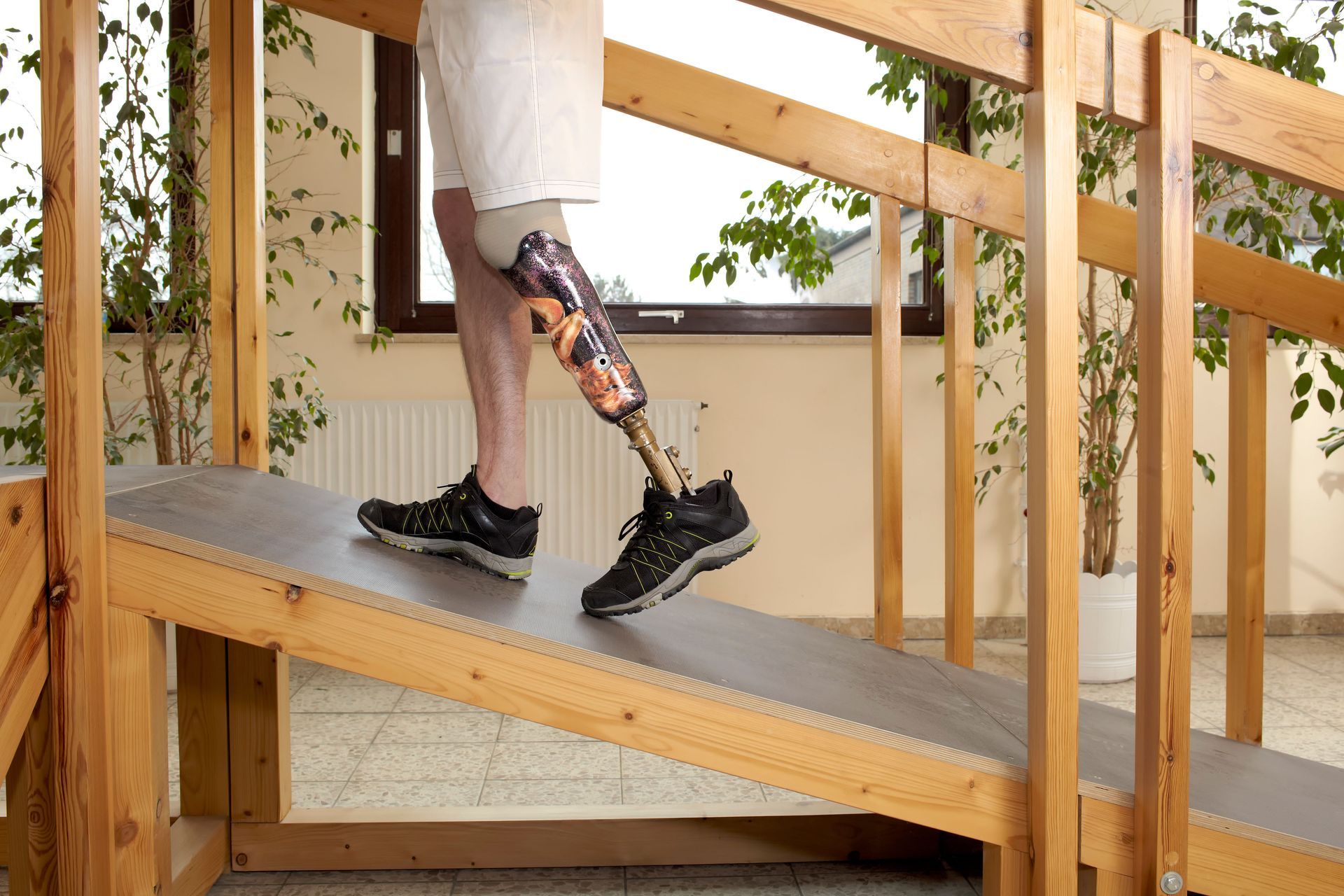
Artificial legs play a critical role in restoring an amputee's ability to move freely. Modern designs replicate the natural gait, allowing users to walk with fluidity and reduced effort. The mechanical joints in these prosthetics are carefully engineered to accommodate walking, climbing stairs, and navigating uneven surfaces. With these advancements, amputees can transition from using crutches or wheelchairs to walking independently in a matter of weeks or months, depending on the level of amputation and rehabilitation support.
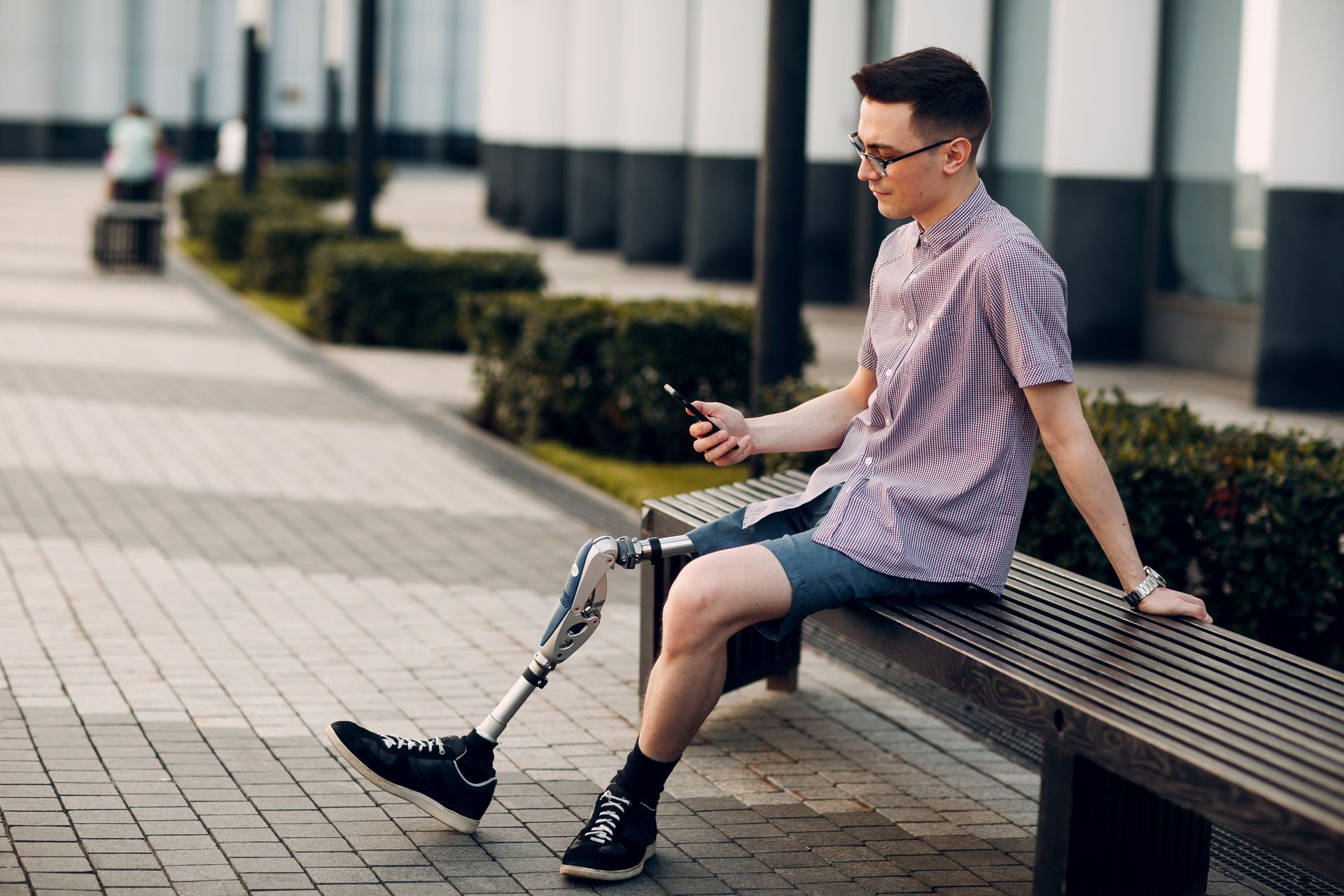
The ability to walk independently impacts more than just physical activity; it influences social interaction and self-esteem. Being able to walk into a room, attend an event, or participate in everyday routines fosters a sense of normalcy and reduces the stigma sometimes associated with amputation. Many users describe the moment they first walk confidently with their artificial leg as transformative—a reclaiming of autonomy that affects multiple areas of life. This enhancement in mobility restores independence, encourages activity, and empowers amputees to redefine what they thought was possible.
2. Improving Stability and Balance
Maintaining stability and balance is often a primary concern for amputees, and artificial legs address this challenge directly. Advanced prosthetic designs incorporate flexible joints, shock-absorbing materials, and weight distribution features that mimic natural limb movement. These features help users walk on uneven surfaces, prevent falls, and reduce the risk of secondary injuries caused by instability. For individuals adjusting to life after amputation, confidence in stability is as important as the ability to move.
Prosthetic legs also allow for active participation in exercise and physical therapy, which are crucial for long-term health and muscle maintenance. Improved balance reduces strain on the remaining limbs, preventing overuse injuries that can arise from compensating for lost function. This aspect of stability extends beyond physical benefits, as it positively influences an amputee’s willingness to engage in social, work-related, and recreational activities. A steady gait reinforces independence and promotes a lifestyle that mirrors pre-amputation activity levels.
3. Increasing Energy Efficiency and Endurance
Artificial legs are designed to minimize physical strain by enhancing energy efficiency during movement. Innovative materials and adaptive mechanisms store and release energy with each step, reducing fatigue and allowing amputees to move longer distances. For many users, the energy required to walk with a prosthetic limb is significantly less than it would be without such technological support. This energy-saving design improves endurance and allows amputees to engage in day-to-day routines and long-term recreational activities without excessive fatigue.
The psychological benefits of reduced energy expenditure should not be underestimated. When physical exertion is less taxing, amputees can approach tasks with confidence rather than anxiety. Being able to walk further, participate in sports, or even just move comfortably throughout the day contributes to a sense of normalcy and autonomy. Energy-efficient prosthetics bridge the gap between mobility and independence, making everyday life less physically demanding while encouraging users to pursue activities that enhance overall well-being.
4. Adapting to Diverse Environments
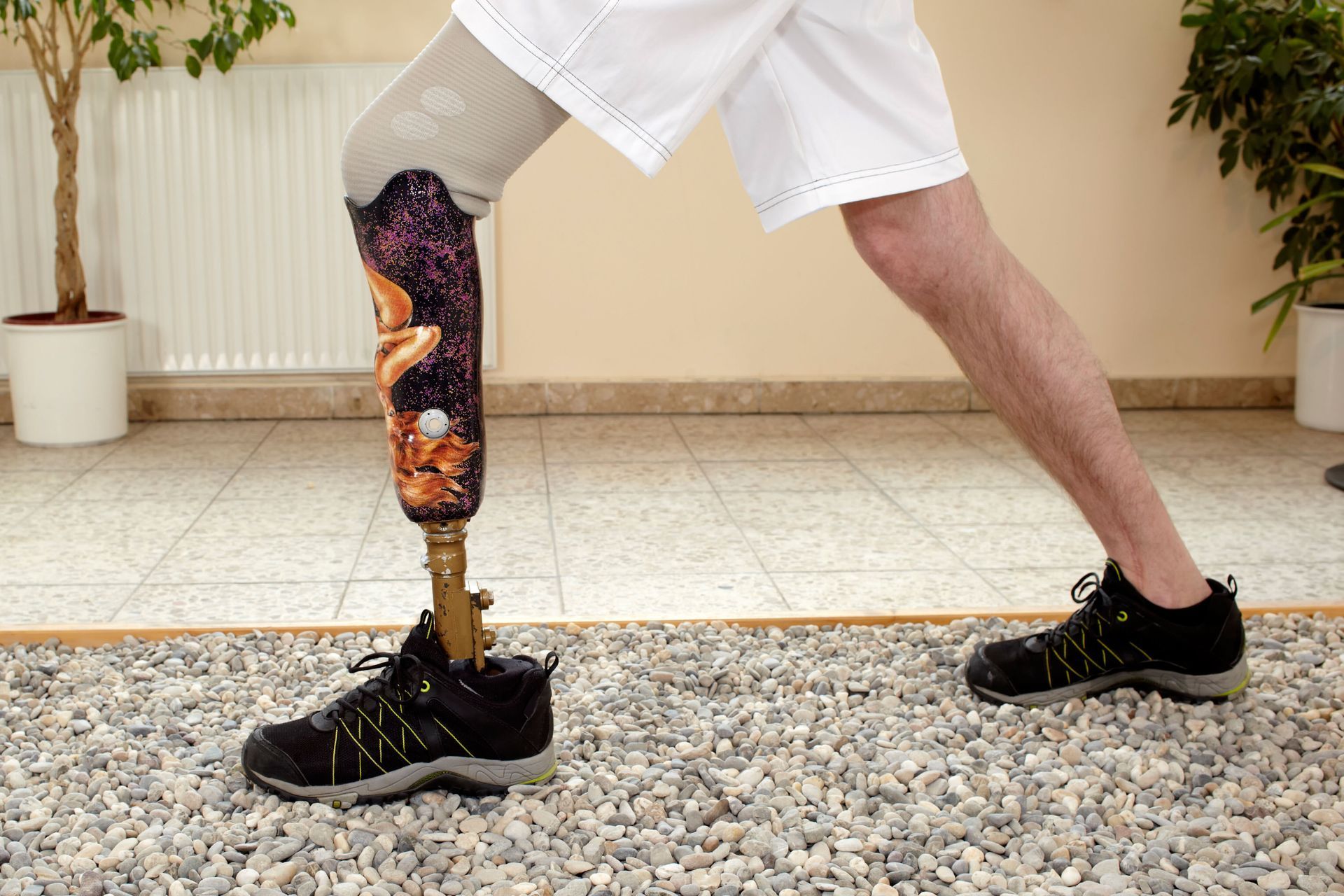
The ability to traverse different terrains is a game-changer for amputees. Advanced artificial legs can adjust to uneven surfaces, slopes, and obstacles, enabling users to confidently explore both indoor and outdoor settings. Whether walking on grass, climbing stairs, or navigating cobblestones, modern prosthetics provide adaptive support that reduces risk and increases comfort. This adaptability ensures that an amputee’s mobility is not confined to predictable or controlled environments.
Access to diverse environments directly influences social, professional, and recreational engagement. With adaptable prosthetic technology, amputees can participate in activities such as hiking, sports, and outdoor travel, which were previously challenging or impossible. This freedom fosters a more fulfilling lifestyle, allowing users to connect with nature, community, and new experiences. By eliminating environmental limitations, prosthetics contribute not only to mobility but also to personal growth and expanded horizons.
5. Supporting Mental Health and Confidence
The psychological benefits of prosthetics are as significant as the physical ones. Regaining mobility restores a sense of autonomy and self-worth, boosting confidence in both personal and social settings. Daily achievements, such as walking independently or participating in activities, reinforce mental resilience and optimism. According to Ohio State University, roughly 185,000 amputations occur annually in the U.S., highlighting the importance of accessible prosthetics in supporting both physical and emotional recovery.
Confidence gained from using prosthetics extends to social interactions, workplace participation, and recreational involvement. Individuals report feeling more self-assured and capable, leading to greater engagement in activities that enrich life quality. This sense of empowerment can be life-changing, helping amputees overcome fears of social exclusion, physical limitation, and dependency. Mental health benefits are intertwined with physical improvements, illustrating how prosthetic technology contributes holistically to overall well-being.
6. Expanding Opportunities and Engagement
Artificial legs open doors to new personal, professional, and recreational opportunities. Improved mobility enables amputees to pursue employment options previously inaccessible, engage in sports or hobbies, and participate more fully in community life. With restored independence, users can engage in activities that were once challenging, from hiking and swimming to attending cultural events or volunteering. This broadening of possibilities fosters personal growth, skill development, and social inclusion.
Recreational engagement also supports physical and emotional rehabilitation. Hobbies and active pastimes provide opportunities for social connection, reduce stress, and promote a sense of purpose. By encouraging exploration, prosthetics enhance quality of life, allowing users to integrate into communities fully. The empowerment derived from pursuing new experiences builds resilience, self-confidence, and long-term fulfillment.
7. Advancing Independence and Quality of Life
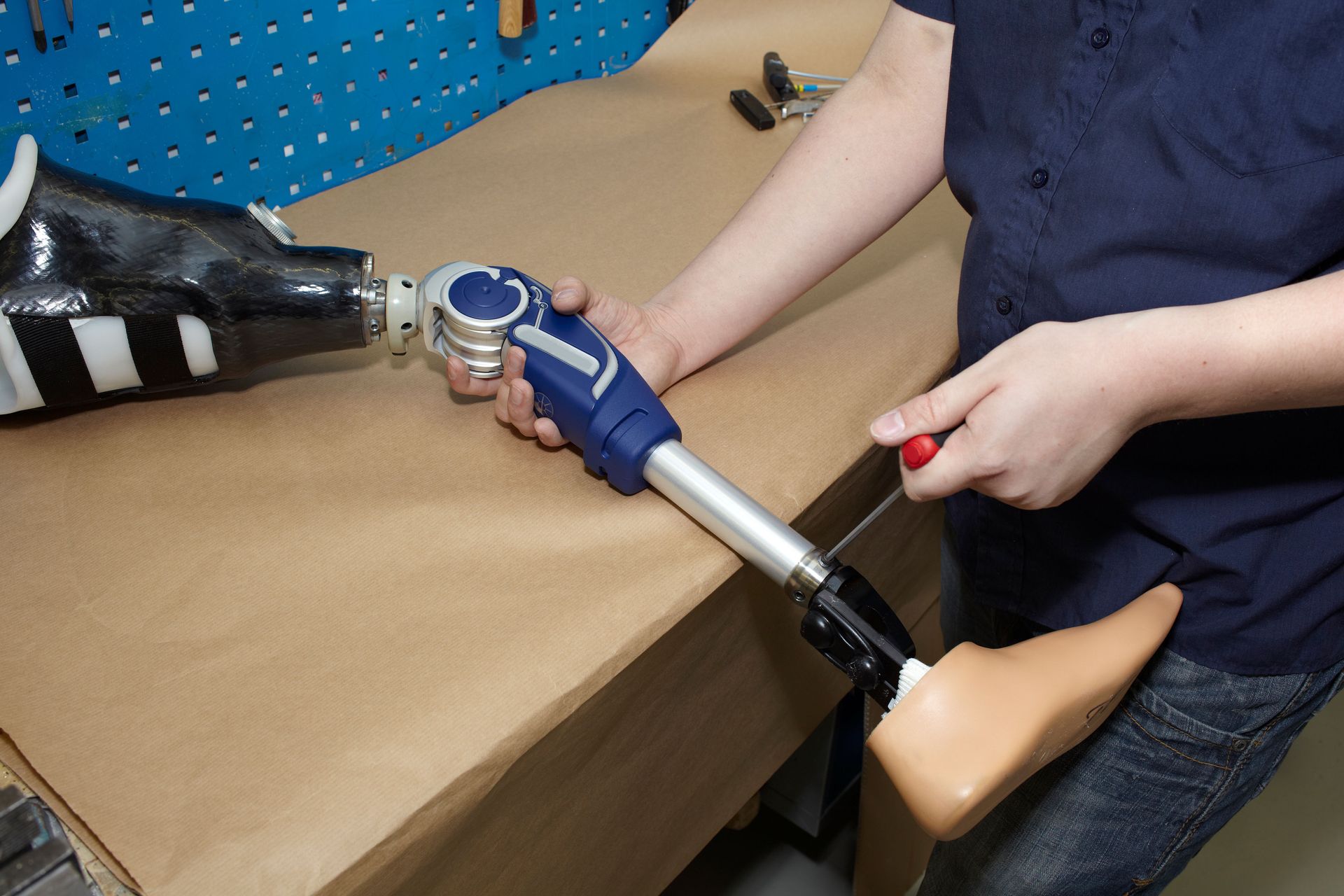
Ultimately, prosthetics offer a pathway to long-term independence and a significantly improved quality of life. Customizable and technologically advanced prosthetics allow users to tailor their devices to fit their unique needs, ensuring comfort and effectiveness in daily routines. Beyond physical mobility, these prosthetics reduce social isolation, foster engagement with the broader community, and encourage personal growth. Amputees can regain control over their lives, making choices based on personal goals rather than limitations imposed by limb loss.
High-quality prosthetics also contribute to sustained health benefits. By promoting proper posture, reducing strain on residual limbs, and enabling regular physical activity, artificial legs help prevent secondary health complications. The holistic benefits—physical, psychological, and social—underscore the transformative impact of modern prosthetic technology, making them an essential component of recovery and rehabilitation for millions of people worldwide.
Prosthetics have evolved far beyond simple mobility aids. They enhance walking, stability, and energy efficiency while adapting to diverse environments. They also support mental well-being, increase independence, and expand opportunities for personal and professional growth. By restoring both function and confidence, prosthetic legs empower amputees to lead active, fulfilling lives. For those seeking high-quality prosthetics and personalized care, contact Louisville Prosthetics today to explore solutions designed to improve mobility and support long-term comfort and performance.