November 18, 2026
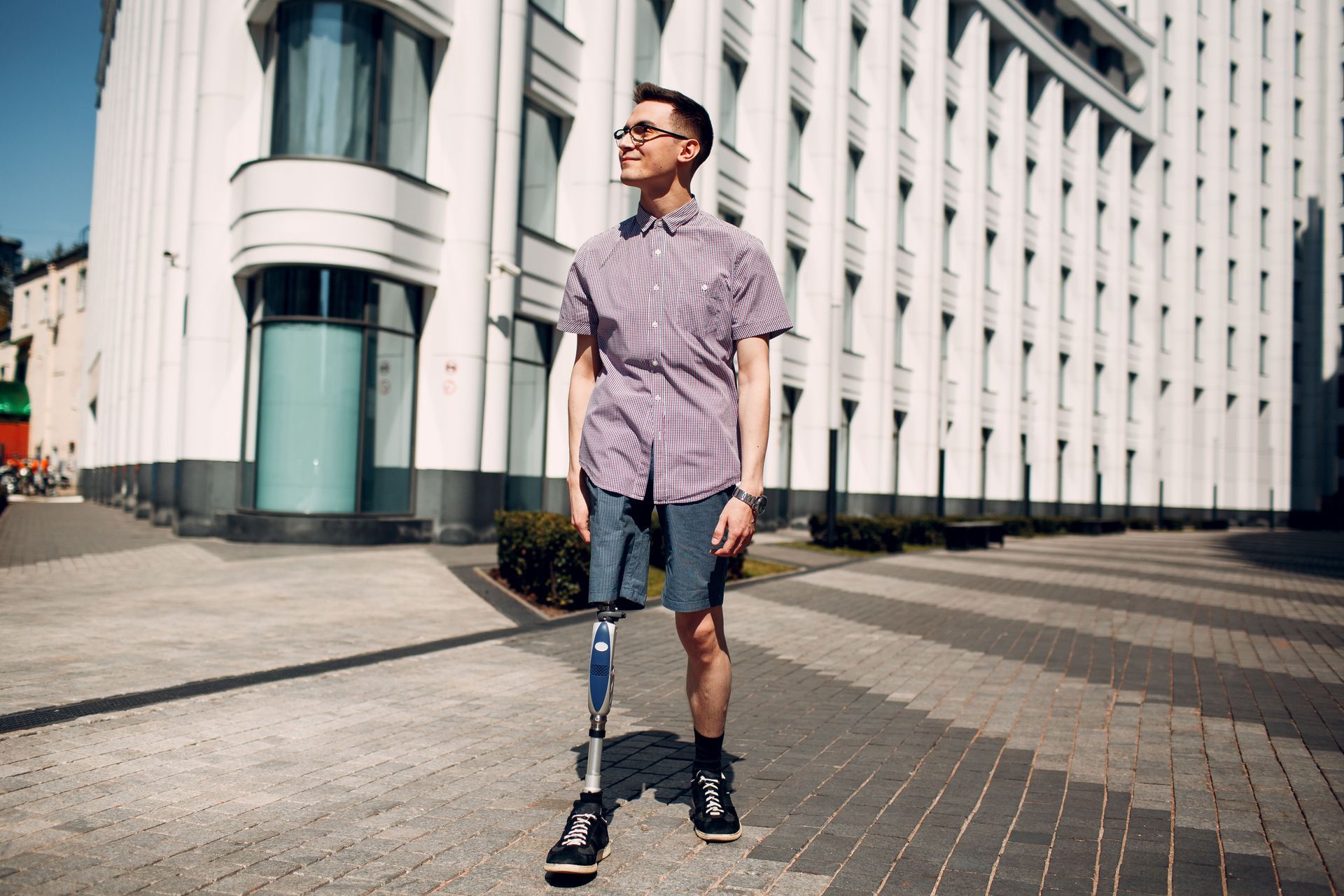
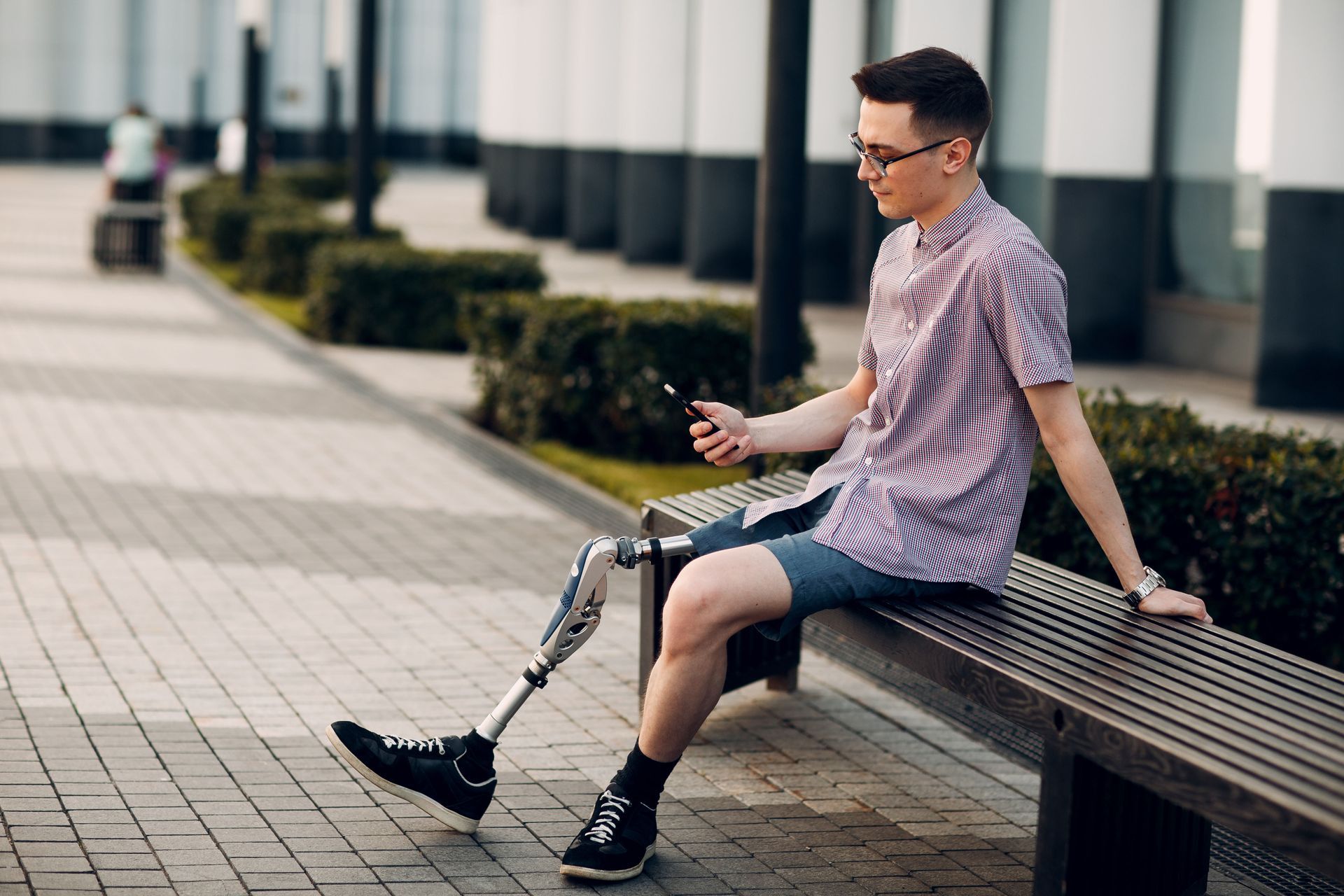
The journey toward regaining mobility after limb loss is a deeply personal experience that requires immense physical and emotional dedication. For many individuals, the ultimate goal is not just to walk again but to move in a way that feels completely normal and unrestrained. Replicating the intricate mechanics of the human body is an incredible challenge, yet modern innovations have made it possible for artificial limbs to closely mimic organic movement. According to WifiTalents, in 2023, the worldwide market for orthotics and prosthetics reached an estimated valuation of $2.5 billion, reflecting a massive global investment in better mobility solutions. As this field grows, the focus has shifted heavily toward creating solutions that integrate seamlessly with the user’s daily life. Access to high-quality prosthetic feet services is essential for individuals hoping to achieve this exact level of comfort and functionality.
Understanding the Biomechanics of Human Movement
To comprehend what makes an artificial limb feel lifelike, one must first look closely at the complex structure of the organic foot. The human foot and ankle work together to absorb shock, adapt to uneven terrain, and propel the body forward effortlessly during a natural walking cycle. Recreating this highly dynamic interaction requires careful attention to detail and a deep understanding of human anatomy. Comprehensive prosthetic feet services play a crucial role in analyzing a patient’s unique gait pattern and identifying the specific physical features required for a lifelike experience. Before a device is ever fabricated, patients undergo thorough pre-prosthetic consults to discuss their daily activity levels, long-term lifestyle goals, and specific physical requirements. These essential early conversations lay the groundwork for building a system that responds intuitively to the user.
Designing With Computer-Aided Design and Manufacturing
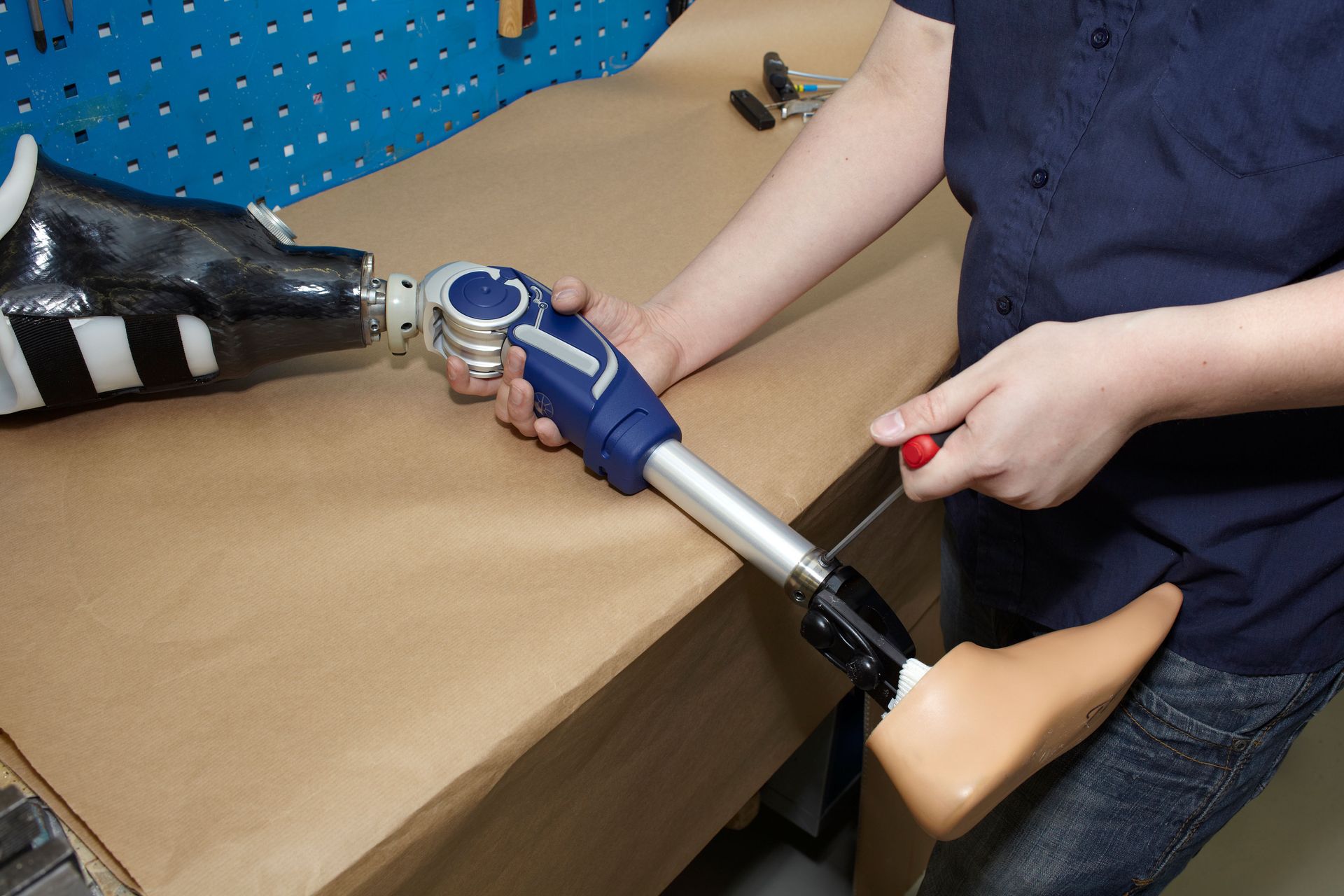
The days of relying solely on manual plaster casting have evolved dramatically, paving the way for incredibly precise fabrication methods. Today, utilizing computer-aided design and manufacture allows skilled practitioners to create highly customized devices matching the exact anatomical contours of a patient's limb. This digital approach ensures that the overall fit is incredibly accurate, directly translating to a much more natural feeling when walking on various surfaces. When individuals opt for comprehensive prosthetic feet services, they often benefit heavily from the implementation of 3D printing technology. This modern manufacturing method creates remarkably lightweight, durable, and highly responsive components that perfectly mimic the spring-like action of natural bone and muscle. Because these modern technologies offer such high levels of precision, the resulting limb feels less like a heavy mechanical attachment and more like a true biological extension of the body.
Incorporating Total Surface Bearing Socket Technology
No matter how scientifically advanced an artificial foot might be, it will only feel completely natural if the connection to the human body is perfectly secure. The socket is undeniably the most critical interface between the human body and the mechanical device. Implementing total surface bearing socket technology helps distribute physical weight evenly across the entire limb, preventing painful pressure points and significantly reducing uncomfortable friction. When weight is dispersed evenly, users consistently experience a smoother and much more comfortable gait cycle. Quality prosthetic feet services always prioritize this highly customized socket fit because it completely transforms the user's sensory perception of the ground below them. By aggressively minimizing pistoning—the slight up-and-down movement of the limb inside the socket—the user gains much better proprioception, or intrinsic awareness of where their foot is in space.
Fitting With Adjustable Socket Designs
The human body is constantly changing, and the physical volume of a residual limb can fluctuate significantly throughout a single day due to temperature changes, hydration levels, and physical activity. If a socket becomes slightly too loose or too tight, the artificial foot will no longer respond predictably, inevitably leading to an awkward or unnatural walking pattern. To successfully combat this common issue, practitioners strongly recommend adjustable socket designs that can be quickly modified on the fly by the user. Maintaining a highly consistent fit is absolutely vital for natural movement, and top-tier prosthetic feet services routinely educate their patients on how to manage these daily volume changes effectively. Furthermore, utilizing residual limb shrinkers can help maintain a much more consistent limb shape, drastically reducing the overall need for constant daily adjustments. When individuals have the complete power to easily fine-tune the tightness of their socket, they can easily maintain optimal alignment and firm suspension all day long.
Securing Through Vacuum-Assisted Suspension Systems
A flawless suspension system is absolutely essential for effectively creating the true illusion of organic human movement. If an artificial limb feels artificially heavy or uncomfortably loose, the user will naturally alter their walking mechanics to compensate, which inevitably leads to an unnatural stride. Utilizing vacuum-assisted suspension systems creates a powerful negative pressure environment inside the socket, drawing the limb securely into place and holding it firmly without any noticeable slippage. This creates an incredibly strong physical bond between the human user and the mechanical device. Patients utilizing professional prosthetic feet services often find that modern vacuum systems provide the highest level of absolute security and physical responsiveness. Because the foot is held so securely, every subtle movement of the thigh or calf immediately translates straight to the foot, completely eliminating any frustrating delay in motion. This immediate physical response is the absolute secret to making an artificial foot feel exactly like a real one.
Evaluating Outcomes During Clinical Evaluations
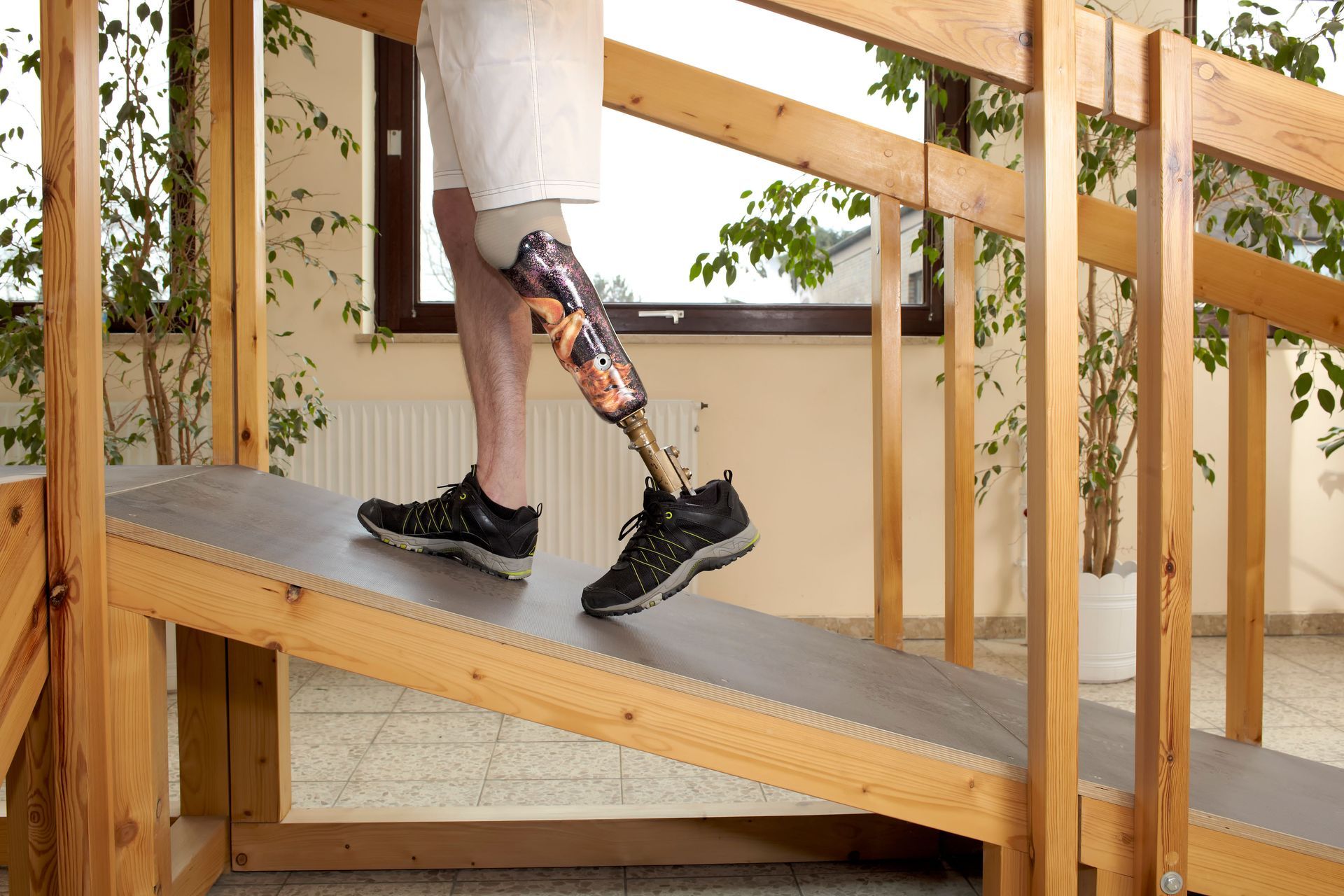
Achieving a completely natural feel is rarely a simple one-time event; rather, it is an ongoing, lifelong process of continuous refinement, physical adjustment, and personal adaptation. As a patient’s muscular strength, daily activity level, and personal mobility goals evolve, their mechanical device must actively evolve alongside them to remain fully effective. Participating in regular clinical evaluations allows skilled practitioners to thoroughly assess the patient's gait, carefully check the physical condition of the mechanical components, and make any necessary micro-adjustments. These essential routine check-ups are a vital cornerstone of highly effective prosthetic feet services, ensuring that the medical device continues to meet the user's changing needs over time. Whether actively addressing typical wear and tear or carefully adapting a customized device for patients with congenital anomalies, ongoing clinical assessments successfully prevent minor issues from ever becoming major obstacles to natural movement. A very small change in physical alignment or a minor tweak to the suspension system can make a truly massive difference in exactly how the foot responds to the ground.
Restoring a truly lifelike gait after experiencing limb loss is a highly complex art that requires a perfect blend of cutting-edge technology, precise mechanical engineering, and deeply personalized medical care. From the very initial consultation to the final hardware alignment, every single decision plays a highly significant part in exactly how the final device physically responds to the user and the surrounding physical environment. By carefully utilizing advanced suspension methods, modern manufacturing techniques, and perfectly fitted sockets, skilled practitioners can consistently create dynamic devices that truly feel like an organic extension of the human body. Finding the right professional medical partner for your unique rehabilitation journey is absolutely critical to successfully achieving the highest possible level of daily mobility and long-term physical comfort. Engaging with professional prosthetic feet services absolutely ensures that you constantly receive the vital ongoing support and high-level technological expertise required to move forward with total confidence. If you are finally ready to experience a significantly more natural and completely comfortable stride, reach out to Louisville Prosthetics.